Blog ·
Running my business on Serenity, the AI system I built
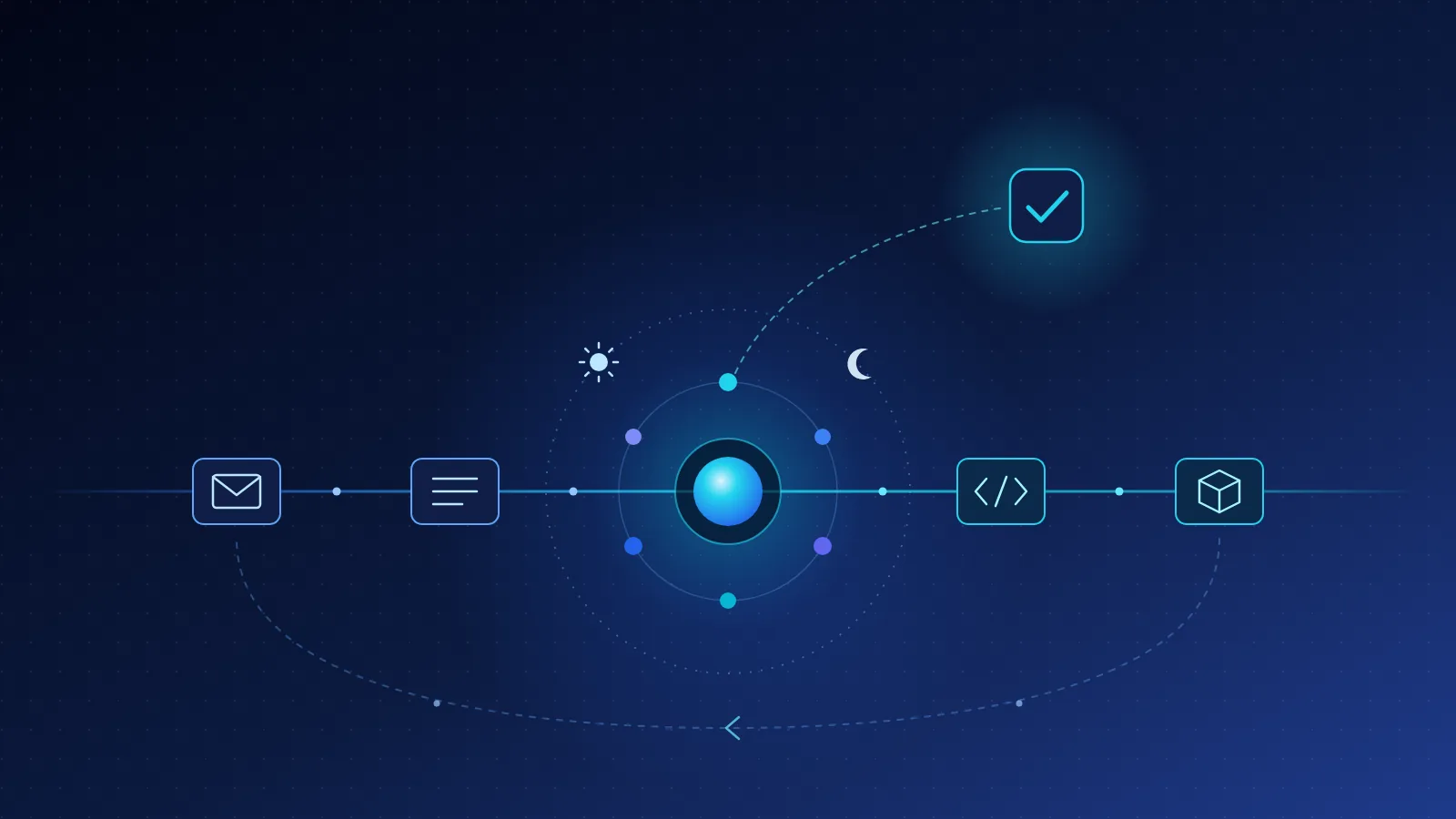
Most businesses don't know how to use AI within their business. They're just looking for, how do I use AI to automate my workflows? They're not looking at it as, how do I make it a system, a repeatable system that is my business, that learns over time and grows?
I built Serenity to be, initially, an extension of your business and your company, to help you accomplish more and do more within your organization.
I brought it into the business when I already had clients, so I had a lot of context about clients, personalities, etc. that Serenity didn't have. That's part of why I'm involved in a lot of the direction now. But over time the idea is that Serenity learns enough about business and automates more and more, and the autonomy gets better, to a point where Serenity becomes the team, where it's able to operate on the business as a whole.
It's allowing me to now focus my time on other things, like growing the business, getting more clients, closing clients.
I like to treat it like a team. But the difference is that it doesn't sleep at night. You don't have a lot of the same emotional and morale things you have to manage.
From the first message to the handover
Once a client responds to a proposal, we write a response to it based on a strategy, and over time help them develop a project scope. We then start the project. Then we work the project, we communicate everything that's needed.
It's mostly the AI system doing all of this, and it just comes back on anything that needs to be reviewed. And over time we're working them towards that handover, and then also setting ourselves up for future work.
What still comes to me
Where does the system need me to step in? How do I know? Well, it messages me on Slack, and it sends me anything that needs me. And it also sends me multiple digests a day. And I can go and answer those things in Slack, checkmark it or give it feedback, and then it handles it from there.
Where it is going
The idea is eventually you have a company that can operate like a full enterprise organization, with all the benefits that an enterprise organization has, without the head count, and also operates more like a startup, where you can adapt much more quickly, in a matter of minutes, hours, days rather than weeks, months and years.
If you're nervous about handing it over
What would I tell an owner who's nervous about the work being done this way? I would say it's not a whole lot different from a human. You're trusting someone. You're trusting that they're able to communicate with the client in a way that's professional.
So is it perfect? No. Does it make mistakes? Yes. But can we learn from those mistakes and correct them, similar to a human?
I believe the benefit greatly outweighs the cost.